Posted on
2016-07-04
In popular culture, the word “pulp” is almost always followed by “fiction.” Director Quentin Tarantino’s landmark 1994 film by that name capitalized on the lurid plots that defined a genre of cheap publications popular in the first half of the 20th century. Pulp fiction, or pulp magazines, were printed on rough wood pulp paper and sold for a few cents per copy as entertainment for the masses.
Today, cheap paper ephemera continues to be produced and distributed on a large scale—daily newspapers, glossy monthly magazines, weekly tabloids, advertising posters and billboards are just some examples of paper products meant to be seen, then discarded. Typically mundane, their content reflects aspects of the cultures they serve, and can offer a wealth of possibilities to artists who analyze those cultures with a critical eye.
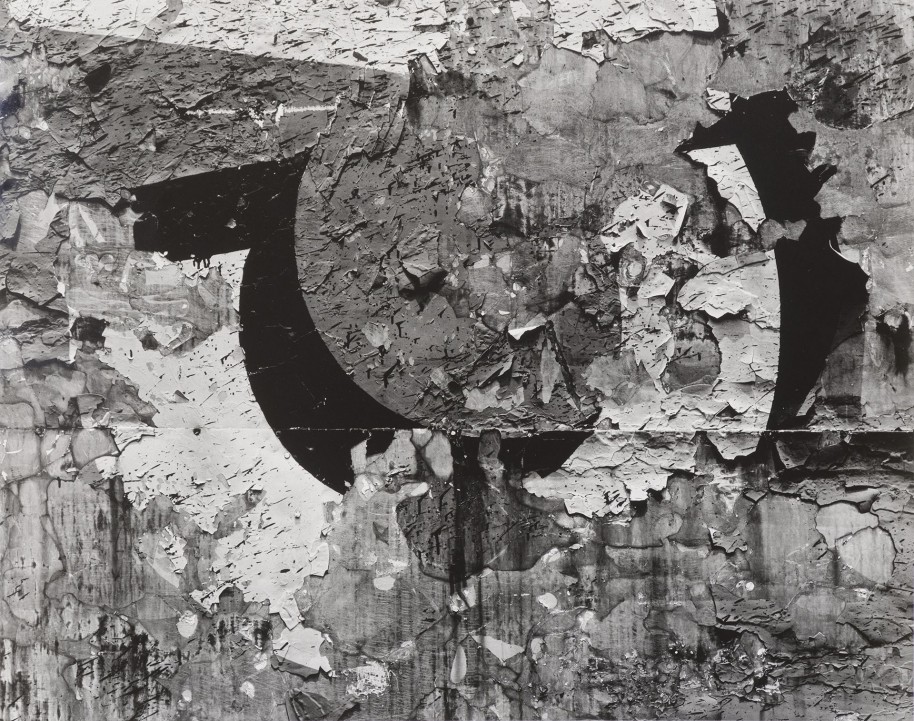
PULP also includes photographs in which paper ephemera offer aesthetic rather than critical possibilities, becoming material for abstracted compositions by Harry Callahan, Aaron Siskind and Louis Stettner, or playing a role in personal reflections and explorations in the photographs of Pavel Banka and Gloria DeFilipps Brush.
Opposite – Aaron Siskind, Chicago, 1957
Exhibition runs through to July 31st, 2016
Akron Art Museum
1 South High
Akron
Ohio
OH44308
akronartmuseum.org