THE MANY FACES OF CECIL BEATON
2025-11-28From Vogue fantasies to wartime grit, the NPG charts the photographer’s dazzling rise and complicated legacy.
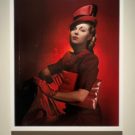
The National Portrait Gallery’s, Cecil Beaton’s Fashionable World, lands with all the theatrical flourish you’d expect from a man who once declared, “When I die, I want to go to Vogue.” Curated by Robin Muir, the display is basically a masterclass in self mythology, tracing every turn of Beaton’s carefully crafted universe and charts his rise during a turning point in fashion history, where photography elbowed illustration out of the way, and took its crown as the industry’s primary visual language.
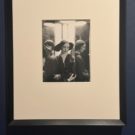
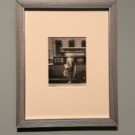
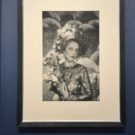
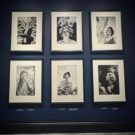
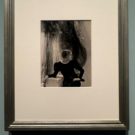
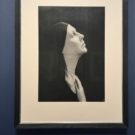
Across nearly 250 works, Beaton emerges as both visionary and performance artist. Early rooms flash back to his groundbreaking 1968 solo presentation at the gallery, where silvery gelatin portraits of 1920s and 30s beauties shimmered like jewels. As the collection unfolds, it traces a subtle revolt in fashion’s hierarchy, where Beaton proved that the photographer could define what fashion was just as much as the designer’s themselves.
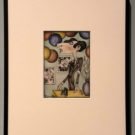
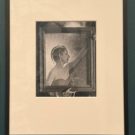
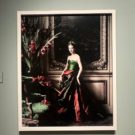
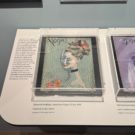
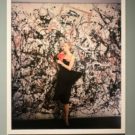
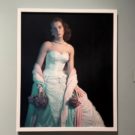
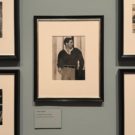
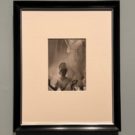
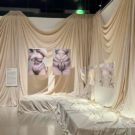
Beaton’s world hits like a masterclass in spectacle. Celebrity portraits of aristocrats, socialites and actors glimmer in their heydey, while sketched out caricatures reveal his multifaceted eye. The range is insane. We see Edith Sitwell sitting across the room from Marilyn Monroe, and reigning English royals around the corner. Interspersed are his Vogue shoots from the 1930s and 40s, unfolding like miniature theater productions, elaborate sets of intensely lit models posing in his meticulous fantasies. The final section celebrates his My Fair Lady triumph, where his luxuriant costumes and sets earned Beaton Oscars and further cemented his place in the 20th century cultural lexicon. By the time you’ve hit room 10 or 12, it’s mind blowing how omnipresent he was in the landscape of his time.
Yet not all is pure enchantment. A swift wartime segment shifts Beaton from orchestrator of opulence to official photographer for the Ministry of Information during WW2. His portrait of three year old Eileen Dunne, bandaged and recovering after a blitz air raid proves that his lens could do more than indulge.
The show also addresses the shadows in his legacy, an antisemitic slur in a Vogue illustration, plus the almost total absence of people of colour, pointing to the dully narrowed vision of beauty he championed, complicating his legacy.
Throughout, the exhibition underscores how singular and how self consciously constructed Beaton’s visual language was, a fusion of Edwardian stage portraiture meets Surrealism meets modernism, all running through his idiosyncratically English filter. He wanted Vogue. Here at the NPG he got it alright, the messy yet dazzlingly brilliant and slightly absurd Beaton universe laid out in all its contradictions.
Cecil Beaton’s Fashionable World is on view at the National Portrait Gallery, London, from 9 October to 11 January.
Words – Celeste Aurora Mae
Tweet