MARIO ALGAZE – FOCUS

Posted on 2020-12-14

Mario Algaze’s family moved to Miami, Florida in 1960, at the age of thirteen. By his early twenties he knew his passion for photography would be his lifelong career. His approach as a photojournalist in his early years resulted in some well-known images of Latin American countries, he felt affinity with Argentina, Colombia, Perú, Guatemala, Cuba and more.

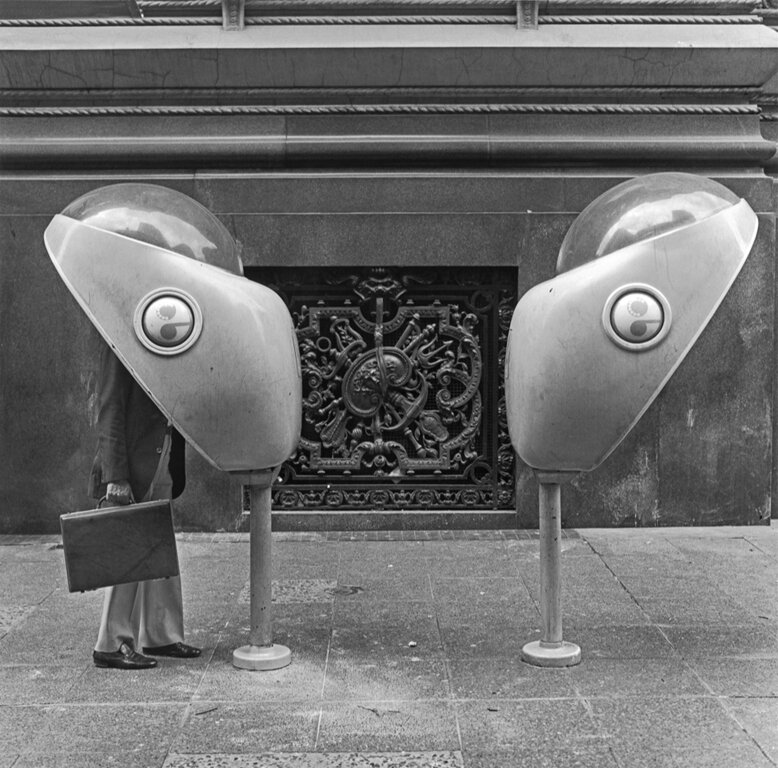
His photographs are sublime, illustrating scenes of street life, café’s and bars, architecture and landscape. Each image is delicately composed to reveal nuances of the culture and beauty of the country and its people.

Algaze also became known for his photographs of important musicians. He naturally captures the musician in performance, but there is a certain quality of light and framing that separates these live action images from the typical concert photograph.

A major observation of his work is in his printing, which cannot be appreciated online. Mario prints his photographs, to this day, himself. His prints are stunning examples of what is best about the capacity of a traditional darkroom print. Local visitors can see the beauty of his printing via the additional exhibition in the gallery.

Opposite – Two phones, Buenos Aires, Argentina, 1984

Online exhibition runs through to December 31st, 2020

PDNB
154 Glass St. #104
Dallas
TX 75207
www.pdnbgallery.com


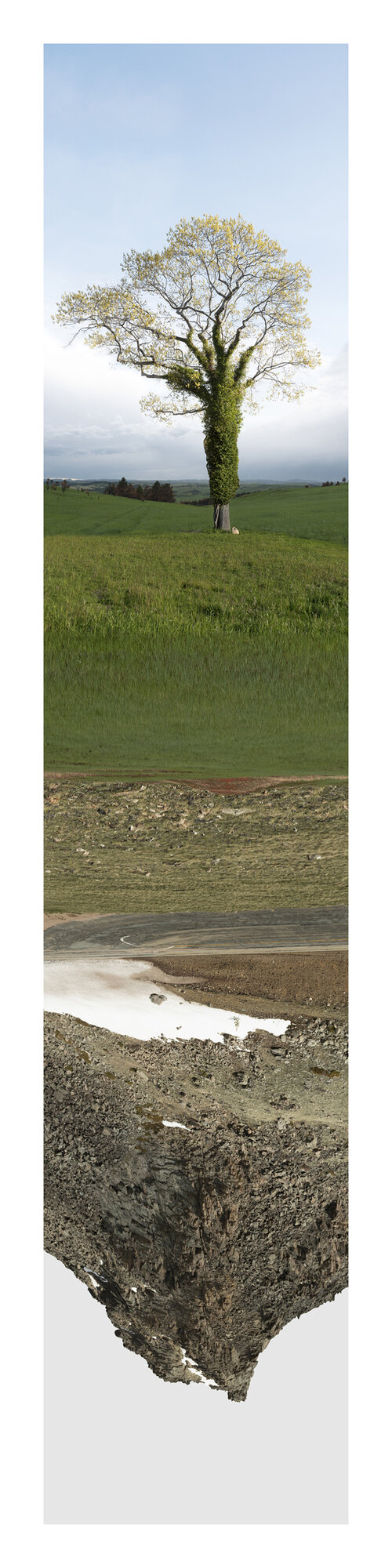
MARY MATTINGLY – PIPELINES AND PERMAFROST

Posted on 2020-12-14

Mary Mattingly exhibits a series of photographs that are driven by an urgency to document the speed of climate change and habitat fragmentation through images that appear as fluid timelines. These photographs interpret changes in land over geologic time (based on fossil records) in order to describe a place through its deep history. They also speculate on near futures as witness to an exponential speeding-up of geologic time due to human-induced climate change.

Pipelines and Permafrost was also driven by hope: hope that arises when people work together to combat destruction of a land base. It honors water, land, and forest protectors around the world who have fought for the rights of nature against increased industrialization. Many are Indigenous Peoples (or are in alliance) fighting to protect their nations and homelands against exploitation, many have struggled against extractive mining operations, logging corporations, and industrial agriculture* to protect primary forests, conserve animal habitats, plant species, and water. These photographs are particularly potent today because of the current administration’s relaxation of many environmental protections put in place by previous administrations, including the Clean Air Act, the Clean Water Act.

“I needed photography to do something that was beyond documenting, and specifically documenting widespread traumas through visible scars left on land. So I started to construct these collages that fluidly evoke places from deep time through to a speculative future. To me, they honor the work of everyone involved in fighting for habitats, and for humanity by proxy.” – Mary Mattingly

Opposite – Rematriation, 2020

Exhibition runs through to December 31st, 2020

Robert Mann Gallery
525 West 26th Street, Floor 2
New York
NY 10001

www.robertmann.com


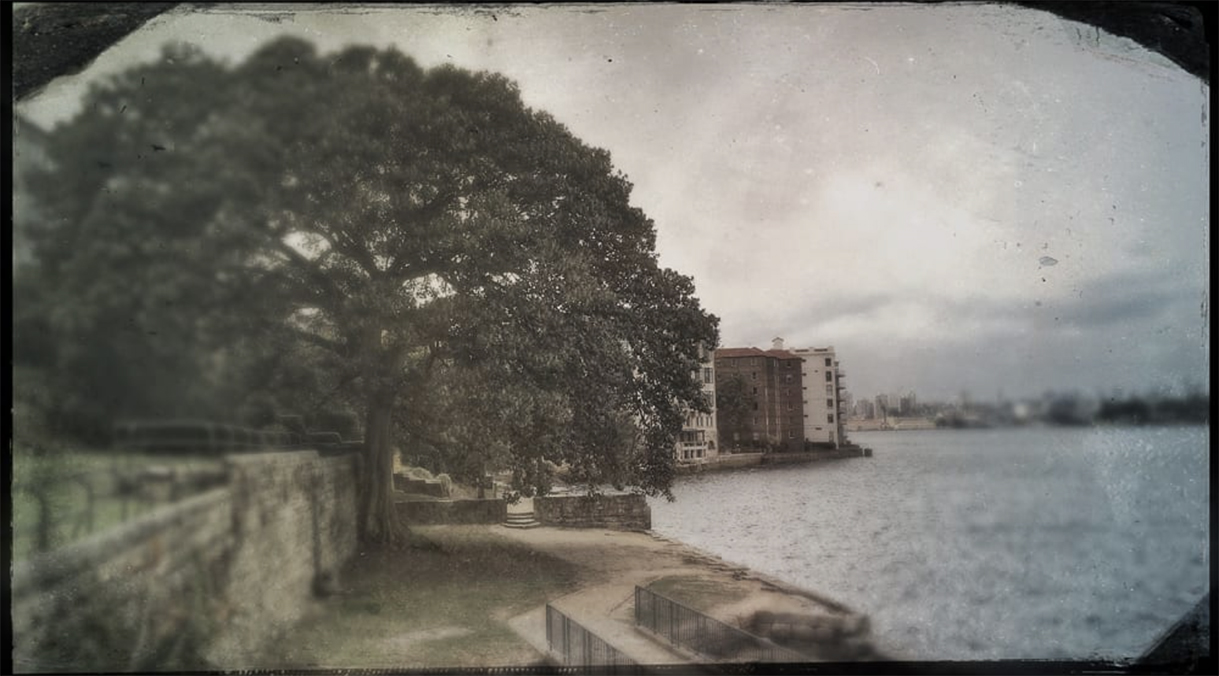
TREES

Posted on 2020-12-14

In the spirit of the book, exploring the meaning of photography and its history by focusing on specific images, the exhibition On Photographs surveys 20 images from 18 leading 20th century photographers including Eugene Atget, Ilse Bing, Henri Cartier-Bresson, Mark Cohen, Walker Evans, Mario Giacomelli, Ralph Gibson, Bill Jacobson, György Kepes, Andre Kertesz, Helen Levitt, Man Ray, Aaron Siskind, Jerry Uelsmann, Edward Weston, Francesca Woodman, and Masao Yamamoto.

Opposite – Keith Kesler, Sydney, Australia

Exhibition runs through to December 31st, 2020

Robert Klein Gallery (Online exhibition)
38 Newbury
Boston, MA 02116

www.robertkleingallery.com


ON PHOTOGRAPHS

Posted on 2020-12-07

The exhibition takes its name from a new book by David Campany, a curator and writer based in London and New York. David Campany was an undergraduate student when he met Susan Sontag. During a friendly discussion about her groundbreaking and influential book On Photography, Campany asked about her assessment of photography without including specific photographs. “My book is more about photography as a phenomenon, social and artistic,” she replied. “Perhaps one day you will write a book titled On Photographs.” Campany has accomplished the goal Susan Sontag set out for him with On Photographs, published this fall by MIT Press.

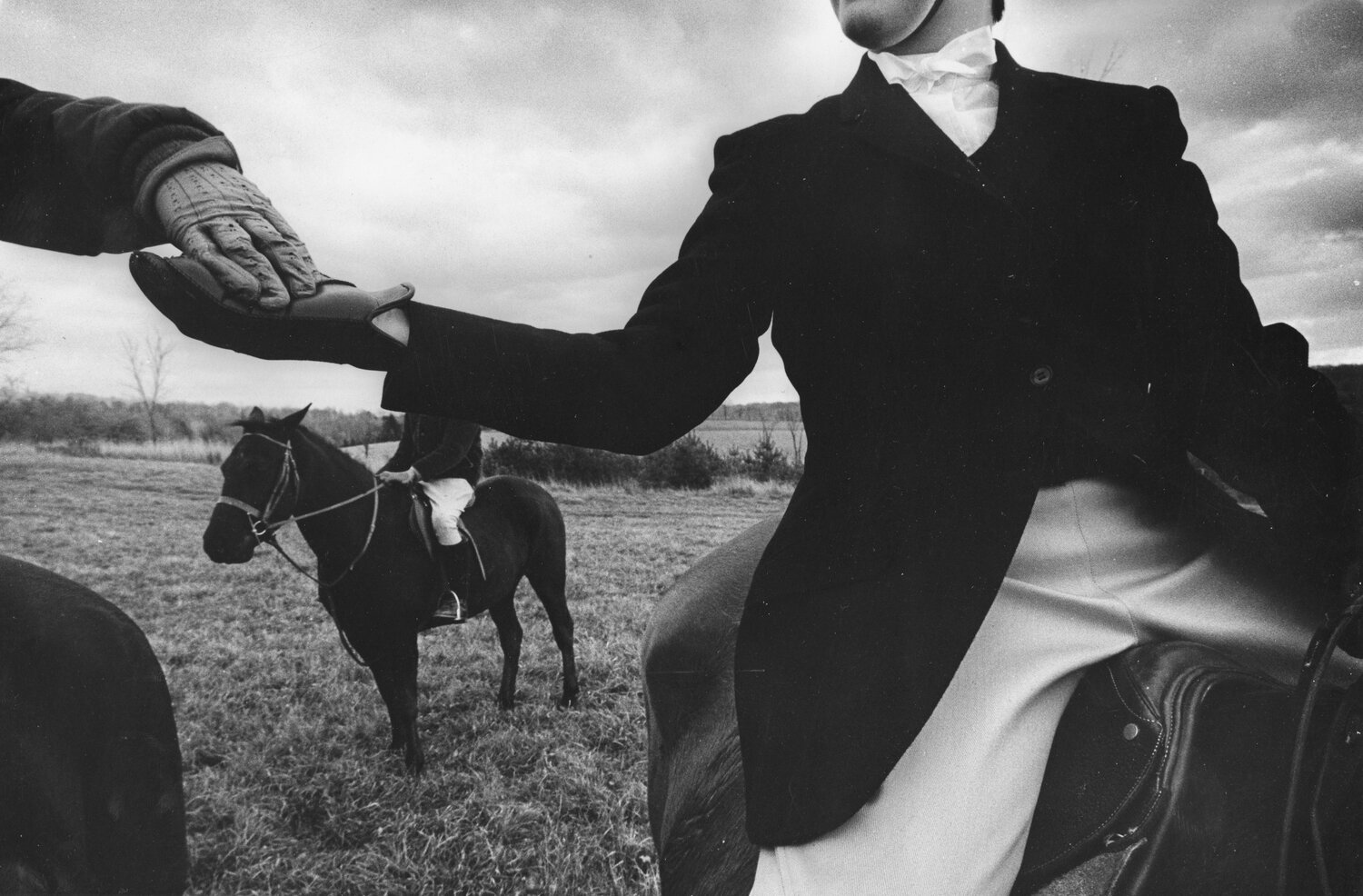
In the spirit of the book, exploring the meaning of photography and its history by focusing on specific images, the exhibition On Photographs surveys 20 images from 18 leading 20th century photographers including Eugene Atget, Ilse Bing, Henri Cartier-Bresson, Mark Cohen, Walker Evans, Mario Giacomelli, Ralph Gibson, Bill Jacobson, György Kepes, Andre Kertesz, Helen Levitt, Man Ray, Aaron Siskind, Jerry Uelsmann, Edward Weston, Francesca Woodman, and Masao Yamamoto.

Opposite – Mark Cohen, Headless Horseman, 1968

Exhibition runs through to December 31st, 2020

Robert Klein Gallery (Online exhibition)
38 Newbury
Boston, MA 02116

www.robertkleingallery.com


STREET. LIFE. PHOTOGRAPHY

Posted on 2020-12-07

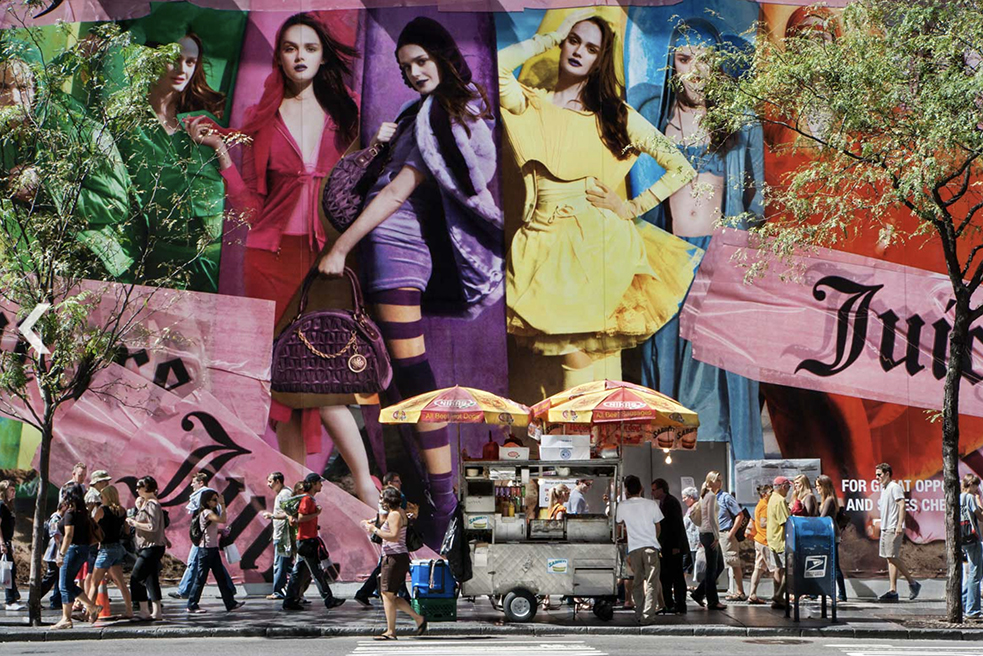
The exhibition Street. Life. Photography presents around 220 works by thirty-six international photographers made over the last seventy years. These works present a variety of different perspectives on urban life, while also showcasing the art of taking photographs on the street and in the city. How have photographers viewed the city and its inhabitants both now and in the past? To what extent is our understanding of public and private space and our relationship to our urban environment reflected in their works? How have views of the city – and thus also the genre of street photography – changed over the course of time?

In this exhibition, international contemporary photographers like Maciej Dakowicz, Loredana Nemes and Harri Pälviranta are contrasted with historical positions such as those of Diane Arbus, Lee Friedlander, William Klein, Harry Callahan and Lisette Model. This comparison of historical and contemporary works enables visitors to appreciate key trends and important technical, conceptual and aesthetic developments. The exhibition is divided into five kaleidoscopically arranged sections with different thematic approaches. The specific focuses on Street Life, Crashes, Public Transfer, Anonymity and Alienation highlight surprising and sometimes strange connections.

Opposite – Natan Dvir: Juicy Couture 01

Exhibition runs through to January 10th, 2021

Fotomuseum Winterthur
Grüzenstrasse 44 + 45
CH-8400 Winterthur

www.fotomuseum.ch


THROUGH A DIFFERENT LENS: STANLEY KUBRICK PHOTOGRAPHS

Posted on 2020-12-07

During his five years at Look magazine, Kubrick learned to see life through a camera lens, he observed human interactions, developed stories through images and learned to work as a team. This experience helped him build his vision and proved particularly useful when he decided to embark on a career as a filmmaker.

After working on several documentaries without making a profit, Kubrick realised that if he wanted to make a career in film, he had to switch to fiction. He resigned from Look in 1950 and his first feature film, Fear and Desire was released three years later. Twelve iconic films followed, from Paths of Glory (1957) to Eyes Wide Shut (1999) his last feature film. He also directed Spartacus (1960), Lolita (1962), The Shining (1980) and Full Metal Jacket (1987).

Opposite – People Mugging, 1946

Exhibition runs through to January 31st, 2021

Musée des beaux-arts
Marie-Anne-Calame 6
CH – 2400 Le Locle

www.mbal.ch