CAJUN DOCUMENT: ACADIANA, 1973-74

Posted on 2020-12-28

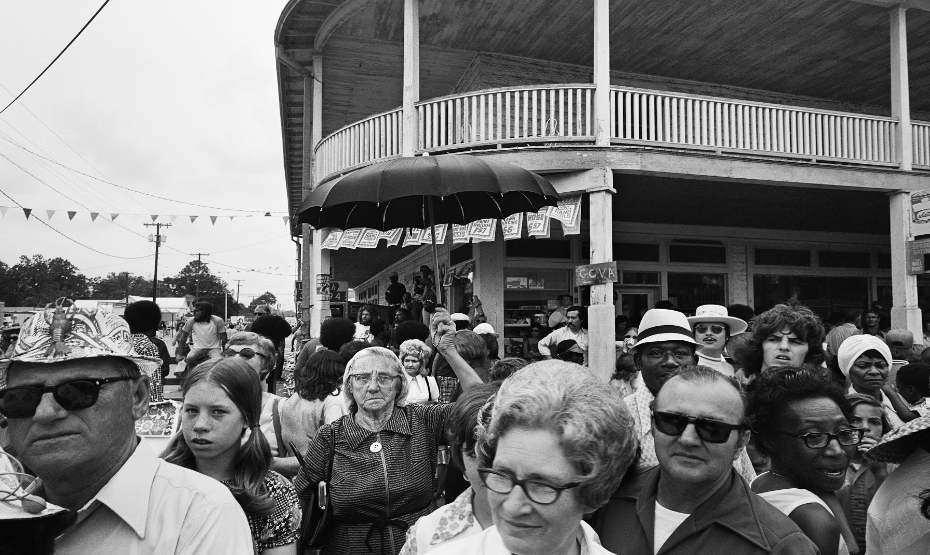
In 1973 and ’74, two Chicago photographers spent more than six months documenting the southern Louisiana region known as Acadiana, as well as its coastal outposts to the east. The exhibition Cajun Document: Acadiana 1973–74, featuring images by Douglas Baz and Charles H. Traub never before gathered as a comprehensive exhibition, visits Louisiana towns from Welsh to Erath, Mamou to Golden Meadow, capturing everyday life in living rooms and dance halls, on fishing boats, and at rural Mardi Gras festivities, as well as a sweeping view of the region’s industries and geography. The scenes Baz and Traub preserved comprise a relic of a time and place integral to the Louisiana story.

Opposite – Breaux Bridge Crawfish Festival, Breaux Bridge; 1974

Exhibition runs through to January 17th, 2021

Historic New Orleans Collection
410 Chartres St
New Orleans
LA 70130
www.hnoc.org


GARY BEEBER – SYLVESTER MANOR

Posted on 2020-12-28

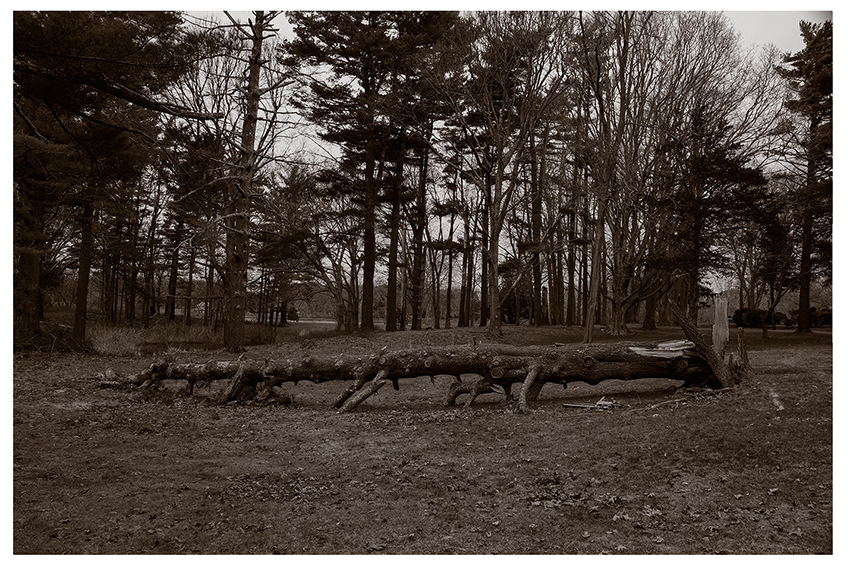
When living in Sag Harbor, NY one of my great pleasures was taking the 10 minute ferry trip to Shelter Island (whose sleepy beauty starkly contrasts with the glitz and glamor of the Hamptons) and exploring/documenting Sylvester Manor. The island was originally inhabited by indigenous peoples, but was officially established as a slave holding provisioning plantation in 1652 by Nathaniel Sylvester, a sugar merchant from Barbados, who purchased the entire island for 1600 pounds of sugar.

Sylvester Manor has been in the Sylvester family for 11 generations. Descendants of Nathaniel Sylvester used slaves to work the plantation until early in the 19th century when slavery was abolished in the north. Sylvester Manor is almost 368 years old. What will this historic property be like in 50 or 100 years?

Opposite – Fallen tree

Exhibition runs through to January 12th, 2021

Griffin Museum of Photography
67 Shore Road
Winchester
MA 01890

griffinmuseum.org


OUR OCEAN’S EDGE

Posted on 2020-12-28

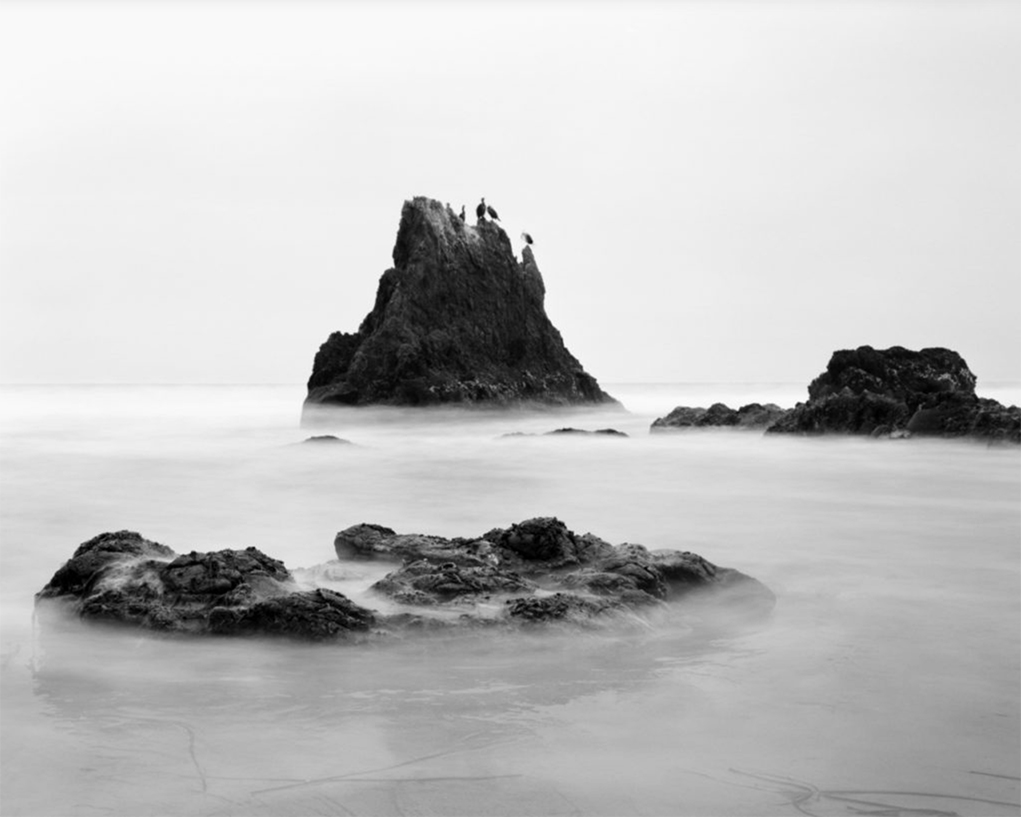
Jasmine Swope’s black-and-white photography deftly captures the beautiful, otherworldly essence of California’s marine parks and our 1,100 mile long coastline.

California made history with the creation of the nation’s first statewide system of ocean parks, a network of 124 Marine Protected Areas (MPAs) stretching from Oregon to the Mexico border. Like national parks on land, MPAs are magnificent in beauty and wildness while providing protection for wildlife, solutions to climate change, and recreational resources for all.

Opposite – Jasmine Swope, El Matador State Beach, Point Dume State Marine Conservaation Area, Los Angeles County

Exhibition runs through to January 10th, 2021

Taubman Museum of Art
110 Salem Ave SE
Roanoke, VA

lagunaartmuseum.org


THE SUBTLE POWER OF PHOTOGRAPHS: A PRIVATE COLLECTION

Posted on 2020-12-21

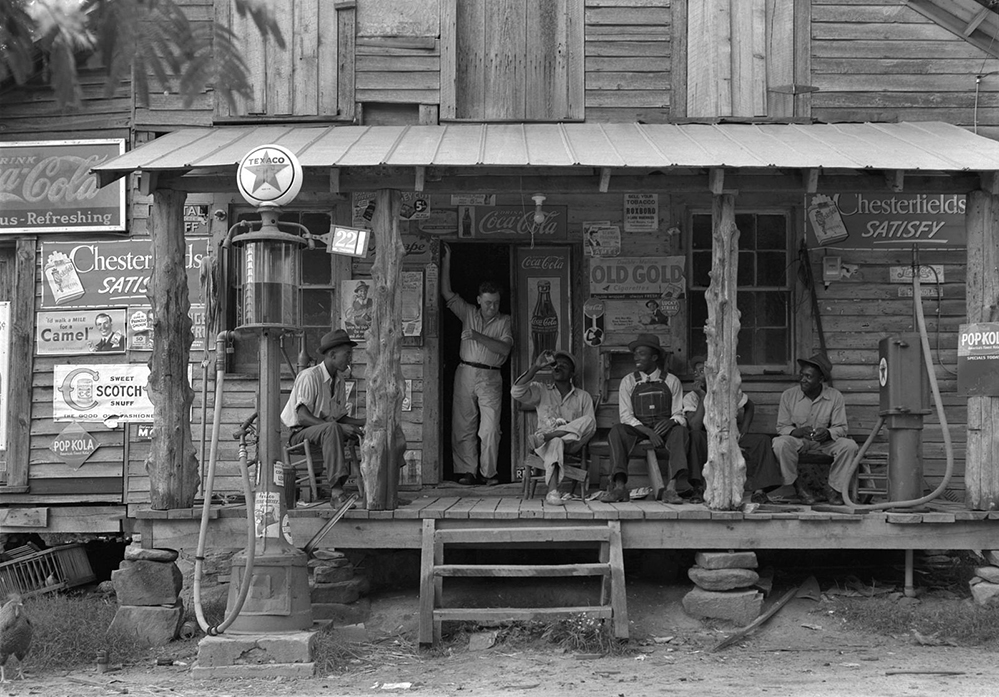
This collection, thoughtfully shaped by Walter and Sally Rugaber, spans over one hundred years from the mid-19th century through the 1960s Civil Rights era and beyond. The works on view capture street scenes of old Paris and the grand architectural plans of British cathedrals; children laboring in factories; scenes of rural America; sensitive portraits of Depression-era farmers, miners, and their families; and Civil Rights era sit-ins. These are interspersed with laconic still lifes, quiet portraits, and hauntingly beautiful “sense of place” landscapes. Many artists in this collection used images to address social justice issues. All are images of wonderment, beauty, and discord where the banal becomes a fascinating slice of life and simplicity is celebrated.

Opposite – Dorothea Lange (1895-1965), Country store on dirt road, Sunday afternoon, Gordonton, North Carolina, 1939

Exhibition runs through to January 10th, 2021

Taubman Museum of Art
110 Salem Ave SE
Roanoke, VA

www.taubmanmuseum.org


KEEPER OF THE HEARTH

Posted on 2020-12-21

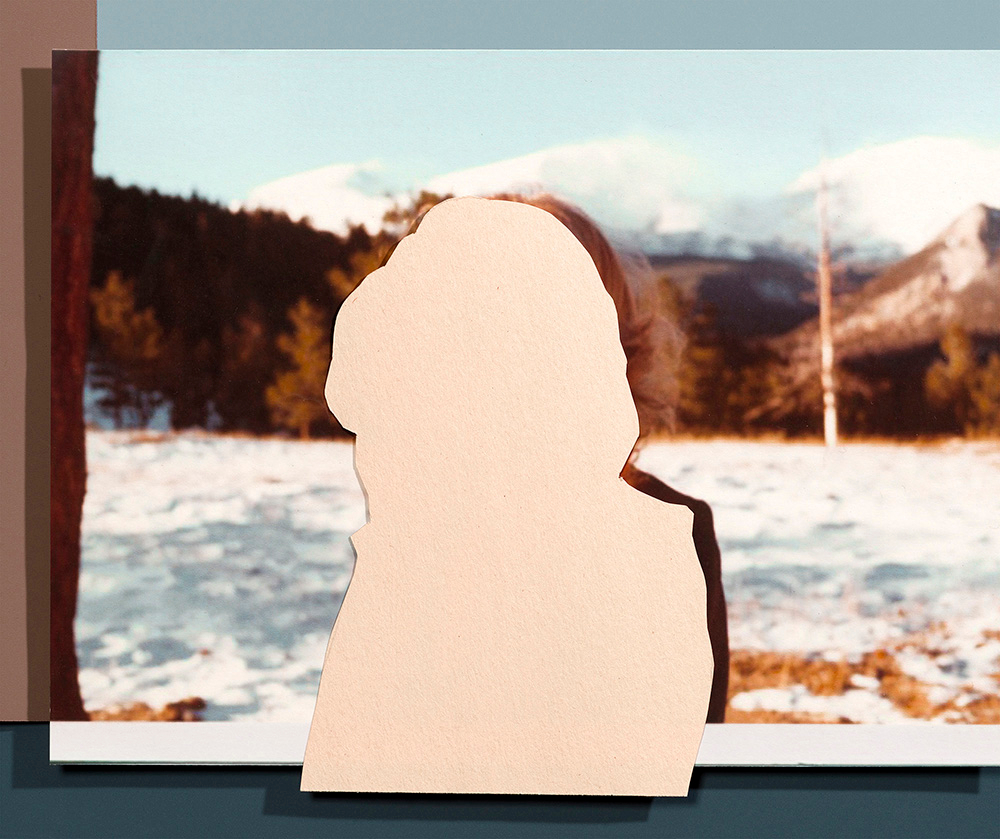
Keeper of the Hearth: Picturing Roland Barthes’ Unseen Photograph, is the first exhibition of Odette England’s book by the same name, which was published in the US in March 2020, marking the 40th year of Roland Barthes’ renowned work, Camera Lucida (La chambre claire). As part of this project, England invited more than 200 photography-based artists, writers, critics, curators, and historians from around the world to contribute an image or text that reflects on the instigator of Barthes’ semiotic musings, a photograph of his mother, Henriette, aged 5, that is never seen in the book, and is perhaps one of the most famous unseen photographs in the world.

Opposite – John Houck, Estes, 2018

Exhibition runs through to January 10th, 2021

Houston Center for Photography HCP
1441 West Alabama
Houston
TX 77006

hcponline.org


NATIVE PHOTOGRAPHERS IN THE FIELD

Posted on 2020-12-21

Developing Stories: Native Photographers in the Field features two sequential photo essays by Native photojournalists Russel Albert Daniels and Tailyr Irvine, created in collaboration with the National Museum of the American Indian. The work of both photographers springs from the same desires: to break down stereotypes of Native peoples and to portray stories that show the diversity and complexity of their contemporary lives.

Each photographer explores an issue that has long been of personal interest and touches the lives of Native people in a specific community. Their compelling, never-before-seen photography and essays provide thought-provoking insights into twenty-first century Native life and nuanced perspectives on an American experience that is largely invisible to mainstream society.

Exhibition runs through to January 10th, 2021

National Museum of the American Indian
Alexander Hamilton U.S. Custom House
New York
NY 10004

americanindian.si.edu