A MOST VIOLENT YEAR

Posted on 2015-01-12

A thriller set in New York City during the winter of 1981, statistically one of the most violent years in the city’s history, and centered on a the lives of an immigrant and his family trying to expand their business and capitalize on opportunities as the rampant violence, decay, and corruption of the day drag them in and threaten to destroy all they have built.

In theatres January 23rd, 2015

amostviolentyear.com


THE MAN WHO SAVED THE WORLD

Posted on 2015-01-12

Few people know of him… Yet hundreds of millions of people are alive because of him. The actions of Stanislav Petrov, a retired Soviet military officer, prevented the start of a worldwide nuclear war and the devastation of much of the Earth.

In theatres January 23rd, 2015

themanwhosavedtheworldmovie.com


HUMAN NATURE

Posted on 2015-01-12

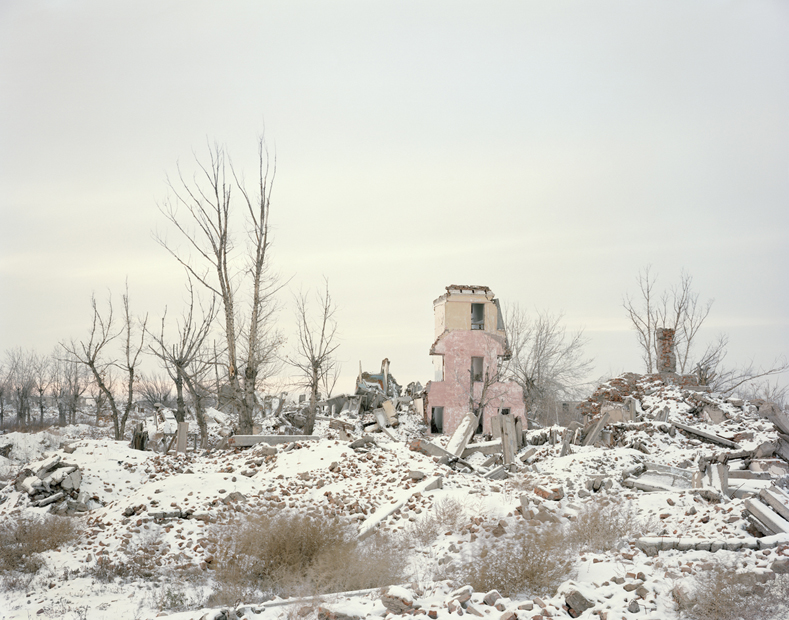
Human Nature brings together the work of three photographers, all of whom have recorded a deeply personal response to the landscape. Works have been selected from solo exhibitions that took place at Flowers Gallery during 2014. Approaching this theme from diverse perspectives, each explores the complex relationship between mankind and the landscape, reflecting upon our connection with, and impact on, the surrounding environment.

Since the 1980’s, South Korean photographer Boomoon has been engaging with the natural landscape in his work as a means of self-reflection, producing large format photographs of vast expanses of sea, sky and land. The works on show in this exhibition are from his series Sansu and Naksan. Sansu refers to the concept of ‘sansu’ (mountain-water) a core concept within the representation of nature in Far-Eastern aesthetics; an idea centred on the metaphysical union with nature. Boomoon’s contemporary vision of ‘sansu’ depicts Seoraksan National Park in all its graphic detail in the midst of winter. Naksan, which takes its name from a beach on the east coast of South Korea that faces Japan, is characterised by details of crashing waves within snow covered seascapes.

Devoid of human presence, the central emphasis of his work is the experience of the infinity of nature and the representation of its presence. His work was described by Charlotte Cotton as depicting ‘the unknowable and uncontrollable character of nature.’

Opposite – Nadav Kander, Kurchatov I (Scientific Research Facility), Kazakhstan, 2011

Exhibition runs from January 16th to March 21st, 2015

Flowers Gallery
82 Kingsland Road
London
E2 8DP

www.flowersgallery.com
  

ALEC SOTH – SONGBOOK

Posted on 2015-01-12

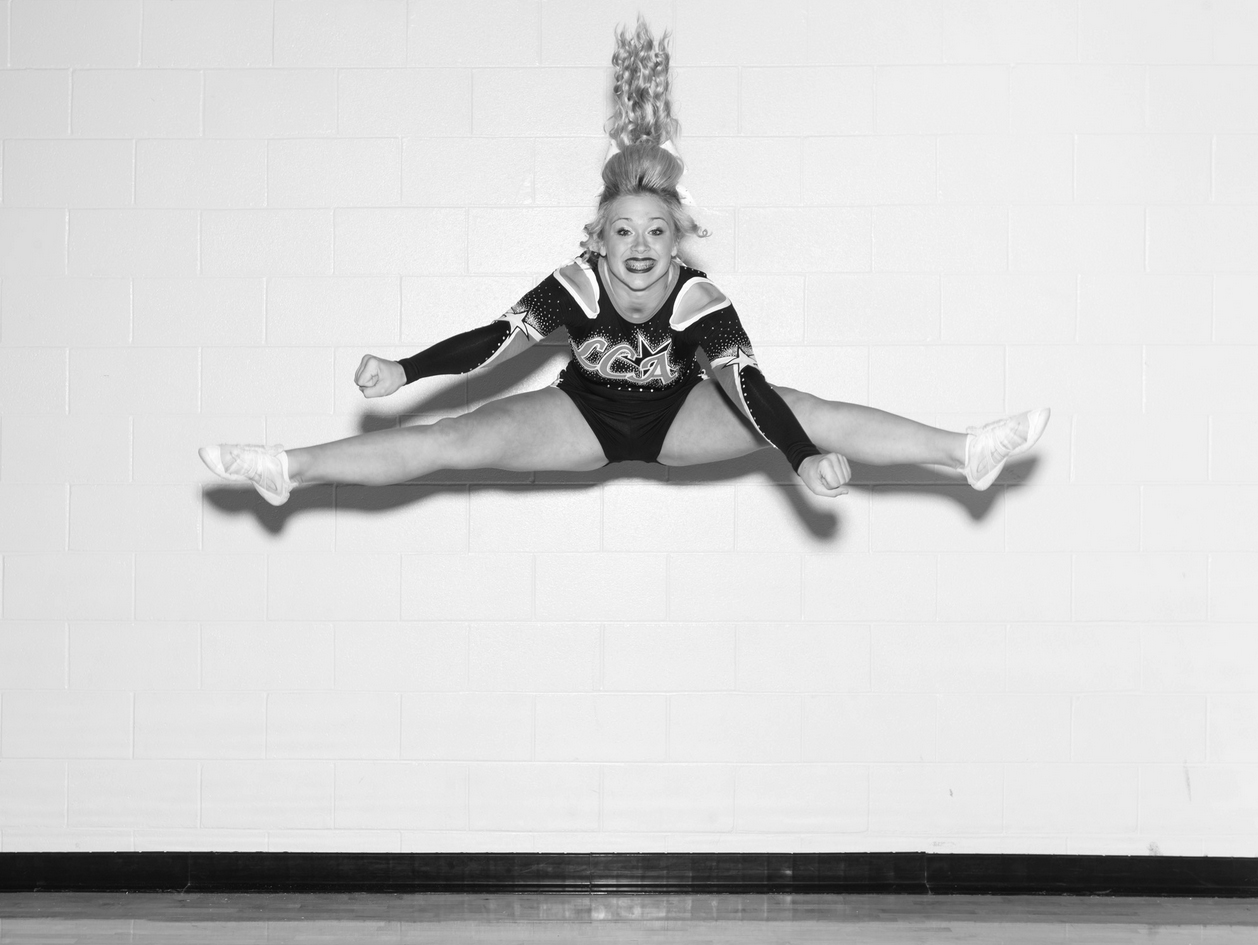
Known for his haunting portraits of solitary Americans in Sleeping by the Mississippi and Broken Manual, Alec Soth has recently turned his lens toward community life in the United States. To aid in his search, Soth, accompanied by his friend the writer Brad Zeller, assumed the increasingly obsolescent role of small-town newspaper reporter. From 2012-2014, Soth traveled state by state whilst working on his self-published newspaper, The LBM Dispatch, as well as on assignment for The New York Times and other organizations. From upstate New York to Silicon Valley, Soth attended hundreds of meetings, dances, festivals and communal gatherings in search of authentic human interaction in an era of widespread virtual social networking.

With Songbook, Soth has stripped these pictures of their news context in order to highlight the longing for personal connection at their root. Evocative, fragmentary, funny and sad, the work is a lyrical depiction of the tension between American individualism and the desire to be united. Songbook presents a profound exploration of the shifting landscape of early 21st century American culture.

Opposite – Bree, Liberty Cheer All-Stars, Corsicana, Texas, 2012

Exhibition runs from January 30th to March 14th, 2015

Sean Kelly Gallery
475 Tenth Avenue
New York
NY 10018

www.skny.com


WAITING: SELECTIONS FROM ERWIN OLAF: VOLUME I & II

Posted on 2015-01-12

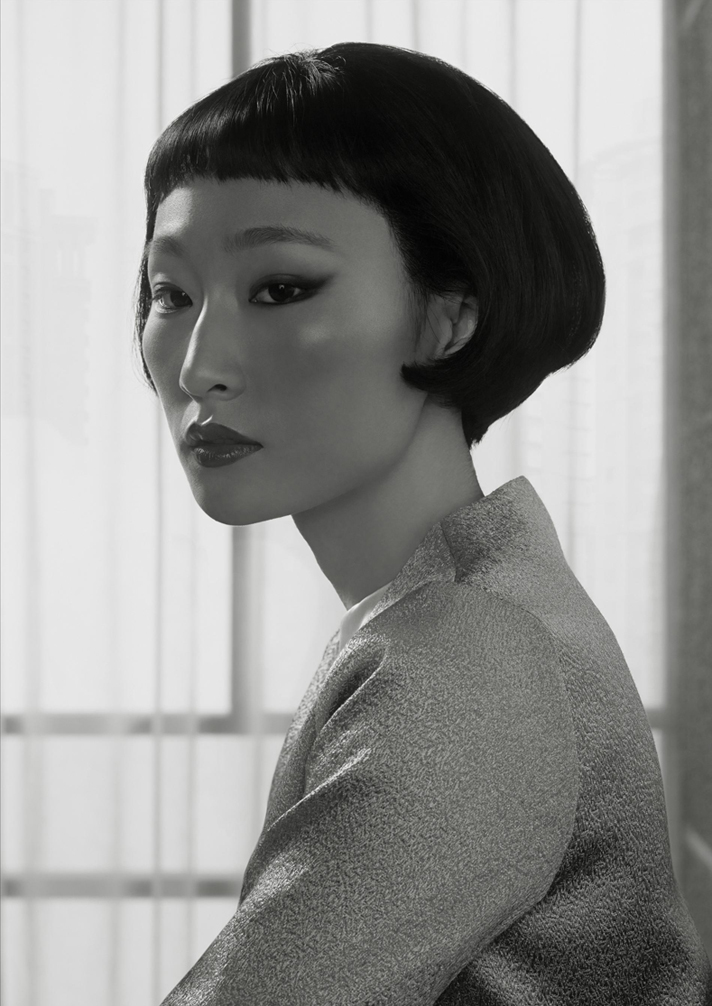
The photographs in this exhibition explore the experience of waiting—a psychological state that Olaf has described as occupying “an odd place in between two emotions that is quickly disappearing, as everybody now has a phone or an IPad that connects them to the world.” We see evidence of this creeping torture mapped across beautiful faces, as they eventually crumble under the weight of devastation. As with all of Olaf’s work, it is here, in the moments where nothing explicitly “happens,” that the majority of life takes place.

The exhibition is anchored by a split-screen video installation that occupies a room conceived specifically for it, and features a poignant musical score created in close collaboration with a composer over the course of six weeks. Drawing on the shapes and shadows of film noir, the piece depicts a striking young woman with a sharp black bob as she sits at a round table in a restaurant, waiting for someone. Pictured from a different angle on each of the two screens, she appears elegant and self-possessed, at first, but as the moments pass with no sign of her date, her patience frays. Viewers are forced to wait with her—and as she grows restless, we do as well. With no indication of how this story will end, we watch the muscles in her face contort and strain as disappointment settles around her; we experience, along with her, the slow and agonizing process of disillusionment, our hope shattered along with hers. The music is the only sound we have, our only hint of time’s passing—and its harmony progresses like a requiem for moments lost.

Opposite – Portrait 1, Shenzhen, 2014

Exhibition runs through till February 28th, 2015

Hasted Kraeutler
537 West 24th Street
New York
NY 10011

www.hastedkraeutler.com


MAMMA ANDERSSON – BEHIND THE CURTAIN

Posted on 2015-01-12

New works in the exhibition include interior settings that appear to be constructed for theatrical and domestic fictions. The compositions reverberate with signs of domesticity and femininity, yet ultimately remain enigmatic. Reflecting a gradual shift in Andersson’s approach to figurative subject matter, characters in her present paintings seem based on toy versions and are distinguished by a distinctive, artificial quality. Representations of dolls appear throughout the new works, as is further exemplified by Le Charme Discret de la Bourgeoisie that portrays two antique wooden dolls whose fabrication is revealed by their peg joints. Recalling shadow puppetry, Hangman shows a marionette-looking figure dangling from a wire, whose large shadow is projected onto the background.

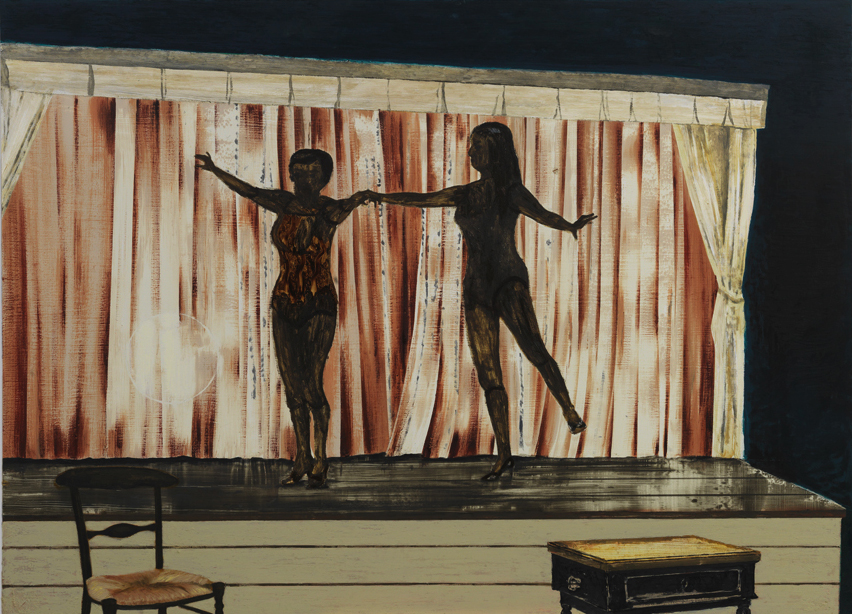
Whereas the representation of dolls and toys is prominently on view in the aforementioned works, the reference is subtly implied in others such as Behind the Curtain, the painting which lends its title to the exhibition. One of the largest panels on view at over five feet in length, it depicts a heavily folded curtain and stage with two female dancers, whose shadowy bodies and stiff limbs give them the appearance of wooden dolls. In Ceremony, a closer viewpoint is used to depict two onstage dancers captured in midstep. Their superimposed look resembles children’s paper dolls with their frozen pose, flattened color, and hard edge.

Opposite – Behind the Curtain, 2014

Exhibition runs through to February 14th, 2015

David Zwirner
519 & 525 West 19th Street
New York
NY 10011

www.davidzwirner.com